
Toyohashi Map and Agricultural Interpretation
Confirm the relationship between Toyohashi City's territory and the sea/bay, and demonstrate how to interpret regional agricultural differences in an orderly manner.
Confirming the Territory and Sea/Bay on the Map
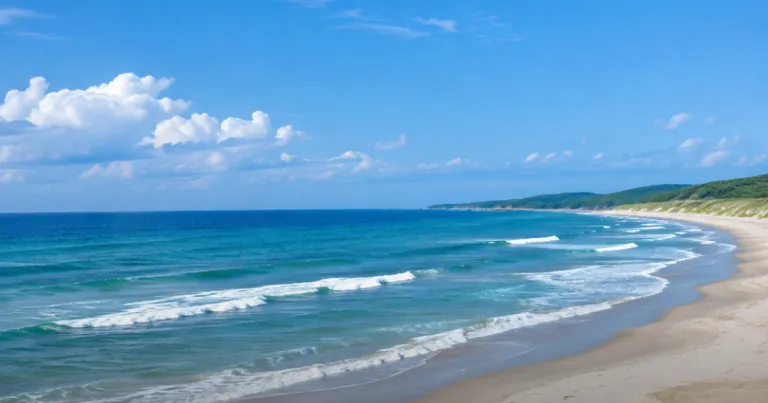
According to the official guide of Toyohashi City, the city system was implemented on August 1, 1906. The territory area is 262.05 square kilometers. When confirming the location on the map, note that the city borders Shizuoka Prefecture, with the Yumihari mountain range serving as the boundary to the east. Furthermore, the city faces the Pacific Ocean to the south and Mikawa Bay to the west, and agriculture is practiced within this geographical expanse.
Background of Agricultural Prosperity
Agriculture is thriving in Toyohashi City, and one of the reasons cited for this is the stable water supply resulting from the completion of the Toyokawa Water System. Under these conditions, different agricultural forms are observed in various regions of the city.
Regional Differences in Agriculture
Agriculture in the city has distinct characteristics by region. In the south, there are many fields, and vegetable cultivation, such as cabbage, in open fields and facilities is thriving. In the west, there are many rice paddies, and rice cultivation is central. In the north and east, fruit cultivation such as persimmons, pears, and grapes is conducted. Additionally, green shiso leaves are included among the major agricultural products listed by Toyohashi City.
Example of Confirmation
For example, open the map and first confirm that Mikawa Bay is to the west and the Pacific Ocean is to the south. Next, read the city guide and sequentially observe what is being cultivated in each region.
Sources
This content reflects the publication date. Laws and rules change — always check the official source.