
Verifying Hygiene, Appearance, and 5S Maintenance
Definitions of 'Seiketsu' (sustain cleanliness), 'Shitsuke' (discipline), and the inclusion of personal appearance in the 5S scope.

The mindset of "continuing" the clean state
In the context of 5S, "Seiketsu" (standardize/hygiene) is not merely about cleaning once. The crucial meaning lies in removing trash and dirt and "continuing" the clean state achieved. A perspective focused on how to maintain this organized state is necessary, rather than ending the activity with a temporary cleanup.
The scope is not limited to the workplace
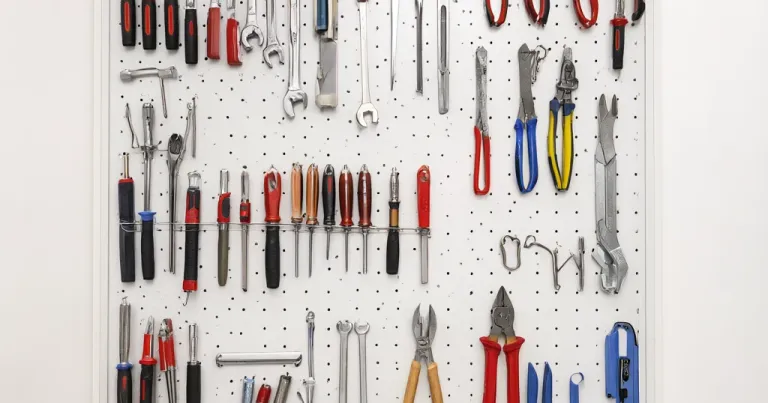
It is important not to narrowly define the scope of hygiene. Beyond machinery, equipment, and tools, the workers' own bodies, clothing, and personal belongings are also included. Since trash adhering to machines can cause impacts on products or defects, maintaining a state free of dirt is required for both the environment and the people.
"Shitsuke" for rule compliance
"Shitsuke" (sustain/discipline) is the activity of teaching compliance with established rules. Educational targets include not only basic etiquette such as greetings, language usage, and attire, but also adherence to work standards, placement of items in defined positions, and machine operating procedures according to predetermined methods.
Verification order and concrete examples
When verifying these aspects on-site, observation becomes more organized by following the order: first the state of the environment, then the state of the people, and finally the standards of conduct.
For example, during the morning inspection, specific check items can be established in the following order: "Is the machine's cleaning state being maintained?", "Is the operator's clothing free of dirt?", "Is the operation being performed according to the procedure manual?". This allows for a multifaceted grasp of whether the state necessary to protect safety and health is being maintained, not just superficial cleanliness.
Sources
- 厚生労働省 職場のあんぜんサイト anzeninfo.mhlw.go.jp
This content reflects the publication date. Laws and rules change — always check the official source.